Biotechnology moves fast, and headlines often promise cures before the evidence is ready. For readers, investors and students, the challenge is separating real progress from hype. This article explains the biggest areas to watch, offers a simple method for judging a news story, and shows why accurate language support matters when research crosses borders.
Gene editing moves from lab to clinic
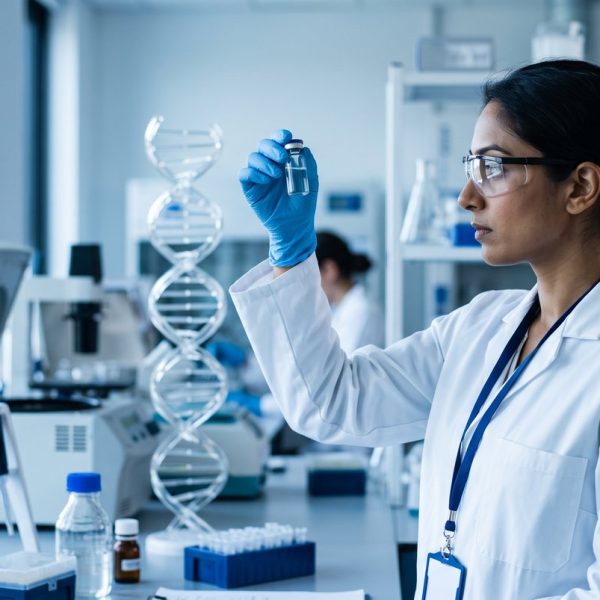
Tools such as CRISPR allow scientists to change specific parts of DNA with precision. Early therapies for inherited blood disorders have reached patients, and many more programs are in trials. Researchers are also working on safer delivery methods and ways to reduce unintended changes.
A promising lab result is not a proven treatment. Look for human trial data, safety follow-up and independent confirmation.
Cell and gene therapies grow up
Cell therapies train a patient's own immune cells to attack disease. They have changed outcomes in certain blood cancers, yet they remain complex and costly to produce. The next wave aims to reach solid tumors, simplify manufacturing and lower prices.
AI speeds up drug discovery
Machine learning models now help predict how proteins fold and which molecules might bind to a target. This can shorten the early search for drug candidates. It does not remove the need for laboratory testing and clinical trials, which still take years.
When companies announce an AI-designed compound, check how far along it is. A candidate in preclinical testing is far from an approved medicine.
Messenger RNA beyond vaccines
The technology that powered rapid vaccine development is being tested in cancer, rare diseases and other infections. Studies look at personalized approaches, where treatment is designed for a patient's specific tumor. Results are early but closely followed.
How regulators decide
Before a therapy reaches the public, agencies review its quality, safety and benefit. The US Food and Drug Administration publishes guidance and approval information that help readers understand what stage a product has reached. Other regions have their own authorities and timelines.
A simple checklist for biotech headlines
Ask who ran the study, how many people took part, whether there was a control group and whether the results were reviewed by independent experts. Check if the report mentions side effects and limitations. Be cautious when a story relies on a press release alone.
Also note the stage: laboratory, animal study, early human trial, large trial or approval. Each step carries a different level of certainty.
Why language matters in global research
Biotech is international. Trials run in many countries, and documents move between regulators, hospitals and sponsors in different languages. Protocols, consent forms, patient information and safety reports all need exact wording, because small errors can affect safety and compliance.
Companies that handle this well rely on specialist medical translation services staffed by linguists who know the terminology. For a deeper look, see our article on the importance of medical document translation.
From the bench to the bedside
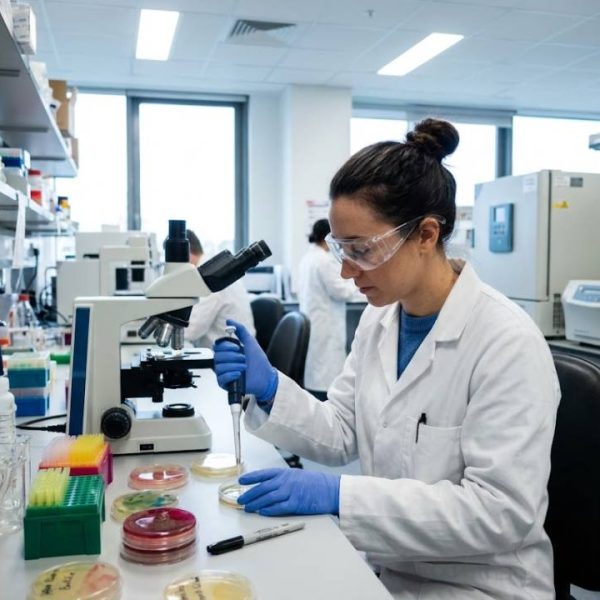
A new treatment usually passes through several stages. Discovery identifies a target. Preclinical work tests safety and activity in cells and animals. Phase one studies check safety in small groups, phase two explores dosing and early effects, and phase three compares the therapy with standard care in large groups. Only then do regulators review the full file.
Many programs stop along the way, which is normal. Failure at one stage often teaches researchers how to design the next attempt.
Diagnostics and wearable monitoring
Biotech is not limited to drugs. Rapid tests, genetic screening and wearable sensors are changing how doctors detect problems early. Companies combine lab chemistry with software to turn small samples into useful readings. These tools also raise privacy questions, so look for clear policies on how data is stored and shared.
Agricultural and environmental biotech
Researchers also use biology to grow drought-tolerant crops, create biodegradable materials and clean polluted soil. These projects receive less attention than medical stories but may reach many people.
Investing and funding: stay informed, stay cautious
Biotech companies often spend years without revenue, and many experimental programs fail. Funding news can look exciting while carrying high risk. This article offers general education only and is not financial or medical advice. Consult qualified professionals for personal decisions.
What patients should know
If a headline sounds relevant to your health, discuss it with your doctor before acting. Clinical trial registries list active studies and eligibility rules. Never buy unproven treatments advertised online.
Trends likely to shape the next few years
Expect progress in base and prime editing, better delivery to organs beyond the liver, wider use of AI in trial design, and more decentralized trials that use remote monitoring. Manufacturing capacity and cost will decide how many people can benefit.
Final thoughts
Biotechnology offers remarkable potential, but real progress is built slowly through careful evidence. By reading news critically and valuing accuracy in every language, you can follow the field with confidence.